The Impact of Cancellations in British Horse Racing
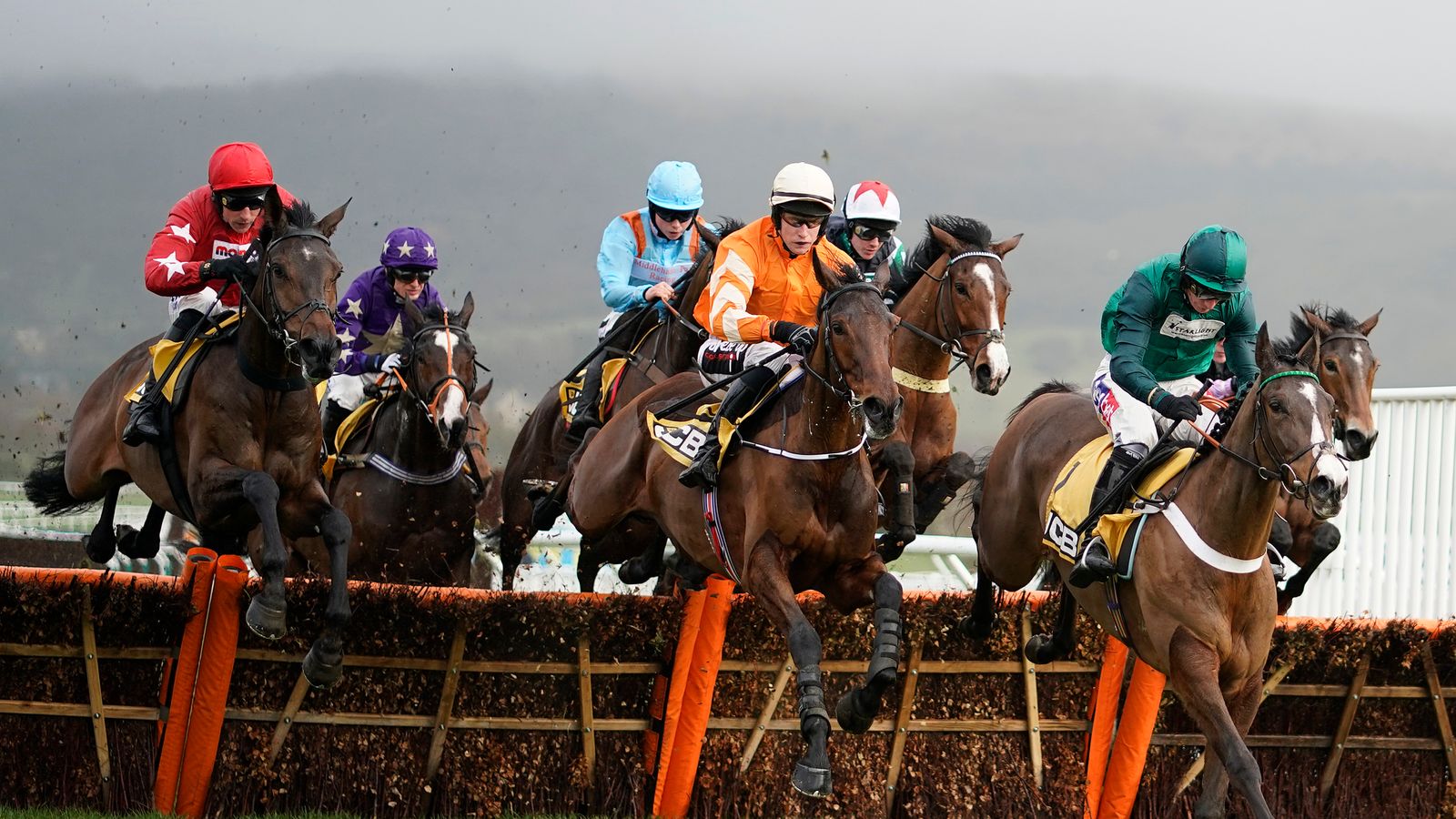
British horse racing is one of the oldest and most revered sports in the United Kingdom. With its rich traditions, vibrant atmosphere, and deep-rooted cultural significance, it has captivated generations of fans and participants alike. However, the sport is not without its challenges, particularly concerning race cancellations.
As it stands, race meetings can sometimes be called off due to various reasons, including adverse weather conditions, health and safety concerns, and logistical issues. These cancellations can severely impact not only the horse racing industry but also the livelihoods of countless individuals involved, from trainers and jockeys to bookmakers and fans. To learn more about the role of mounted police in maintaining safety during racing events, visit British horse racing not on GamStop https://merseysidepolicemounted.uk/.
Reasons for Cancellations
Weather plays a significant role in the decision to cancel races. Heavy rain, snow, or extreme temperatures can lead to unsafe track conditions. For example, a wet track can increase the risk of injury not only to horses but also to jockeys. In such instances, race officials must prioritize the safety of all participants and spectators, leading to the often unfortunate decision to cancel the event.
Another reason races may be called off is related to health and safety regulations. For instance, the COVID-19 pandemic posed unprecedented challenges to the racing industry, leading to the cancellation of numerous events as safety protocols were enforced. The necessity to protect the health of all involved in the racing ecosystem has become paramount, and any potential health risks may lead to cancellations.
The Economic Ripple Effect
The cancellation of horse racing events does not merely affect the immediate stakeholders; it has a broader economic impact. For starters, trainers and jockeys may lose significant income on days when races are canceled. The cancellations translate to lost bets for bookmakers, affecting their profitability.
Moreover, local businesses surrounding racecourses, which rely heavily on the influx of visitors during race days, can experience economic downturns when planned races are shelved. Restaurants, hotels, and other service providers feel the pinch as foot traffic dwindles. Thus, the impact of a single cancellation can propagate through the community, showing how intertwined the sport is with local economies.
Emotional Impact on Stakeholders
The emotional toll of race cancellations is often overlooked. Participants invest considerable time, effort, and finances into preparing for race day. For owners, seeing months of training and preparation go without reward can be disheartening, leading to frustrations and anxieties surrounding the future of their investments.
Similarly, fans come out in droves to support their favorite horses and jockeys, and a cancelled race can sour the experience of loyal supporters. The excitement of race day, the atmosphere, and the social connections made can’t be replicated, highlighting the intangible losses felt across the community.
Alternatives and Solutions
The racing industry has been increasingly looking for ways to mitigate the risks associated with cancellations. Some racecourses are enhancing their facilities to better handle adverse weather. For example, improved drainage systems can help prevent race cancellations due to wet tracks.
Moreover, innovation in the industry includes the use of technology to predict and monitor weather patterns, allowing for better planning and preparation. This proactive approach can lead to an increased capacity for informed decision-making, lessening the frequency of last-minute cancellations due to unforeseen weather events.

The Role of Betting Companies
Betting companies are an integral part of horse racing, and they too are affected by cancellations. In light of this, some have started offering novel betting markets on postponed races or alternative events. This approach not only keeps the excitement of betting alive but could also provide fans with a temporary solution during these dry spells in racing.
By increasing engagement with fans during cancellations, betting companies can maintain a connection to the sport and assist in promoting upcoming events once they are rescheduled.
Looking Forward
Despite the challenges posed by cancellations, the future of British horse racing remains hopeful. As stakeholders collaborate to address the issues at hand and improve the resilience of the racing calendar, the potential for a robust recovery is evident.
Enhanced safety protocols, innovative technologies, and better planning can help navigate the complexities of modern horse racing. Furthermore, creating an adaptive framework that allows for flexibility when cancellations arise will ensure that the focus remains on the well-being of horses, jockeys, and fans alike. With the right strategies in place, British horse racing can continue to be a staple of British culture, celebrated not just for the races but for the joy and community it brings to all involved.
